AI-assisted engineering
Where AI genuinely helps in platform engineering, and where it does not
AI-assisted methods have changed how much ground one engineer can cover in a week. They have not changed who is accountable for the result. The useful conversation is about where the line sits.
There are two unhelpful positions on AI in infrastructure work. One says it changes nothing, and that real engineers work by hand. The other says it changes everything, and that the tooling can be trusted to drive. Having used AI-assisted methods on real enterprise estates for the last few years, I hold neither view.
What follows is where the line currently sits for me: the work AI demonstrably accelerates, and the work that remains stubbornly, properly human.
Where AI earns its keep
The common thread is breadth. AI-assisted methods are strongest where the raw material is large, inconsistent and tedious, and where a human will review the output anyway:
- First-pass discovery across sprawling estates: summarising what exists and flagging the anomalies worth a closer look.
- Classification at scale: content types, duplication candidates, staleness signals and naming inconsistencies.
- Drafting documentation from evidence: configuration summaries, dependency descriptions and runbook skeletons.
- Producing the first version of a migration map or test plan for a human to argue with.
- Turning raw findings into structured evidence packs that keep their formatting discipline.
On this kind of work the acceleration is real, but the bigger change is coverage. Analysis that used to be skipped because nobody had the time stops being skipped. Estates finally get looked at properly, because looking has become affordable.
Where it does not
AI output in this domain is a confident draft, and confident drafts are sometimes wrong in ways that read as though they are right. The work that stays human is exactly the work where being wrong is expensive: deciding what is safe to change, accepting risk, validating findings against the live environment, anything that touches access or regulated data, and telling a stakeholder an uncomfortable truth about their estate.
Who leads what
| Work | AI-assisted role | Human role |
|---|---|---|
| Estate discovery | Summarise what exists and flag anomalies | Choose where to look closer and decide what matters |
| Classification | Propose categories and candidates at scale | Sample, correct and approve the result |
| Documentation | Draft from gathered evidence | Verify against the live environment |
| Migration planning | Produce the first map and test plan | Argue with it, then own the plan |
| Risk and access decisions | None. Analysis input only | Decide, accept the risk and sign off |
The first gate is the data, not the model
AI-assisted methods change the economics of looking. More of the estate gets read, summarised and classified than manual work ever touched, and that is exactly why the first control has nothing to do with model quality: it is whether the material should be processed at all.
Every AI-assisted engagement runs two separate gates. The data gate comes first, before anything is submitted: is this material appropriate for this processing, with this provider, on these terms? Passwords, credentials and other secrets never pass it. Personal and sensitive information is minimised, and redacted or pseudonymised where practical. The client agrees the use before it happens, and the handling and retention position is recorded rather than assumed. The validation gate is the one the rest of this article describes: whether the output can be relied on. Passing one gate says nothing about the other.
In practice that means provider and account terms are checked engagement by engagement, and a client can require a no-AI route entirely: the same discovery and documentation produced by conventional methods, more slowly. Acceleration is never traded against confidentiality by accident. How this sits inside an engagement, alongside scope, access and accountability, is described in working with me.
A practical operating model
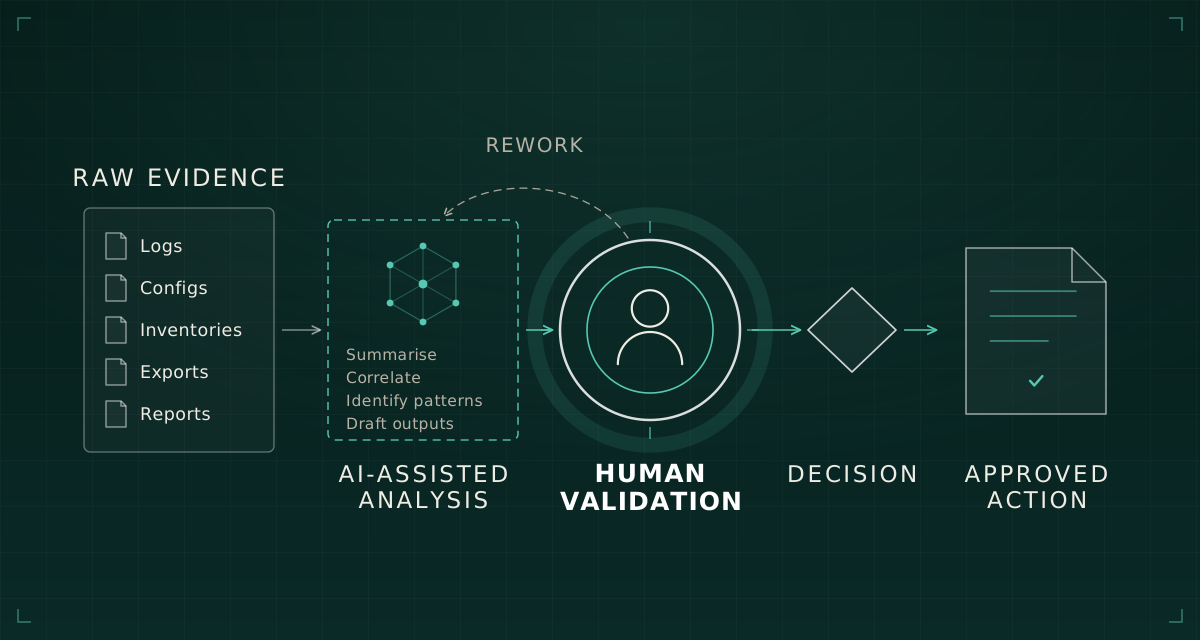
In practice the loop is short and unglamorous.
The working loop
- 01GatherPoint the tooling at evidence collected read-only.
- 02DraftLet it produce the analysis, the map or the document.
- 03ValidateCheck the draft against reality, sampling hardest where a mistake would hurt most.
- 04RecordNote what was checked and what was corrected, so the evidence pack shows its workings.
- 05ActOnly then plan action, with sign-off points owned by people, not tools.
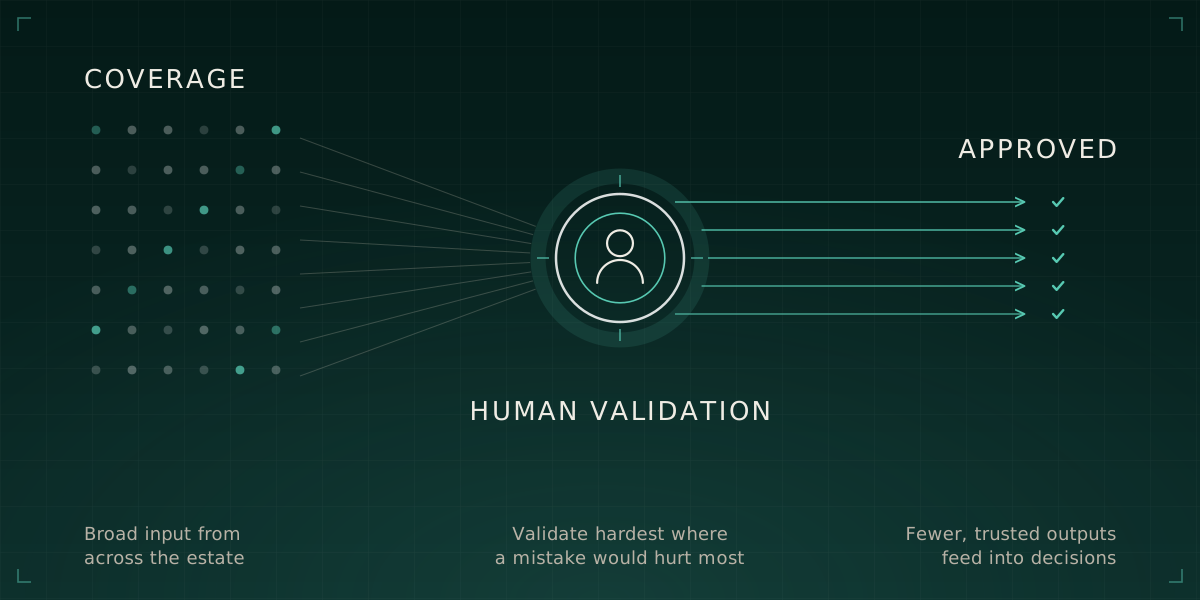
“AI widens the funnel. Judgement still decides what passes through it.”
Used this way, AI does not replace the senior engineer. It removes the excuse for the senior engineer to work blind. The messiest estates benefit most, which is why the preparation problems described in why file migrations fail before they start pair so naturally with this way of working.